The argument the Alexa ended
For most of the 2000s, "shot digitally" was a warning label. Panavision and Sony's Genesis of 2005, a Super 35 CCD camera later sold by Sony as the F35, finally gave cinematographers shallow focus and their own lenses. In August 2007 RED shipped the RED One, a 4K Super 35 camera at a price that made rental houses nervous. The trade magazines ran one debate: could a sensor ever replace negative? Highlights clipped, skin went plastic, and most of the cinematographers who mattered stayed on film and waited.
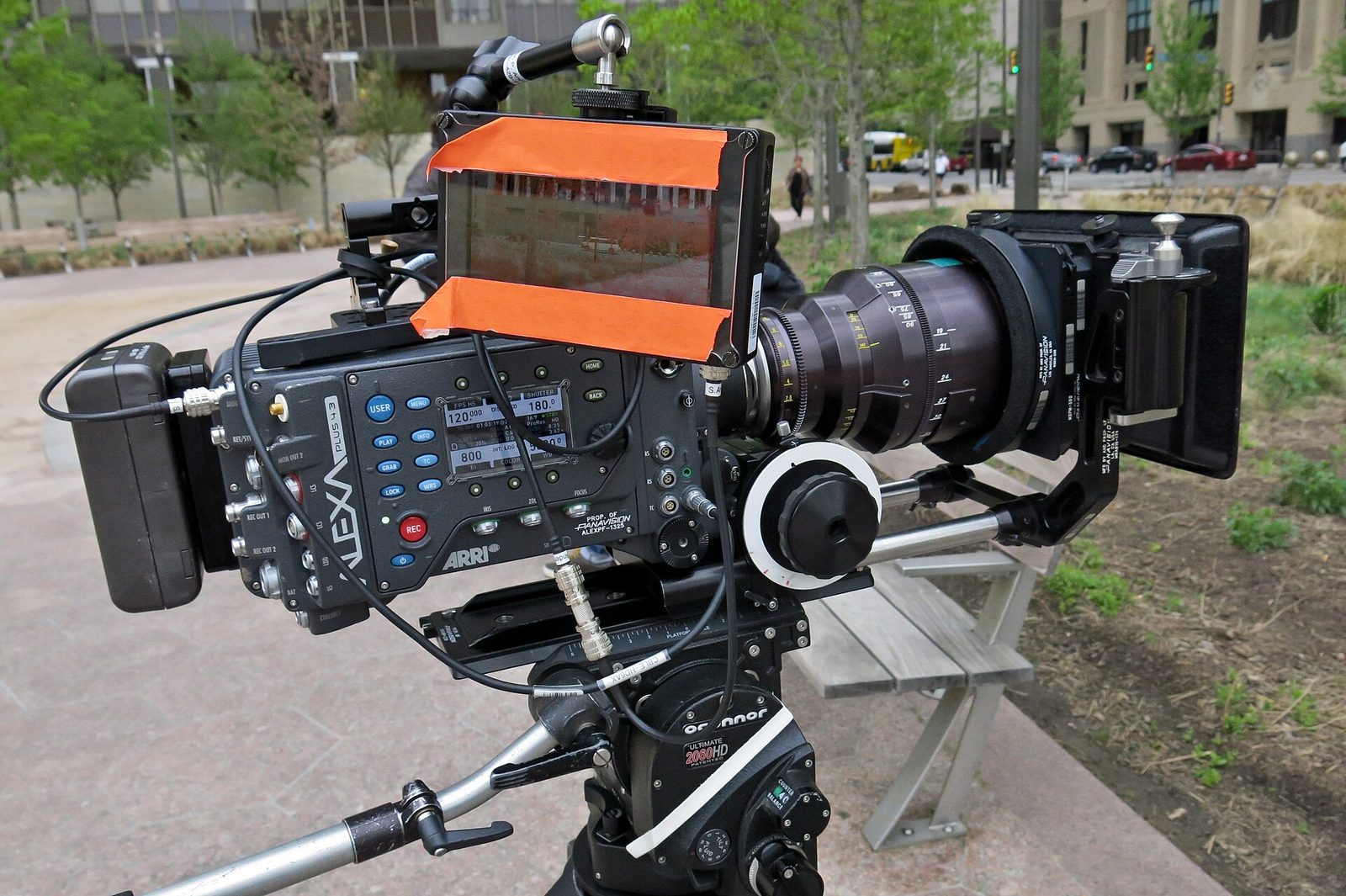
In April 2010 the company announced the Alexa, and by midyear the first bodies reached rental houses. Within eighteen months the argument was over. The question was no longer whether digital could look like film but which digital camera you wanted, and for most of the holdouts the answer was the Alexa.
The sensor that behaved like negative
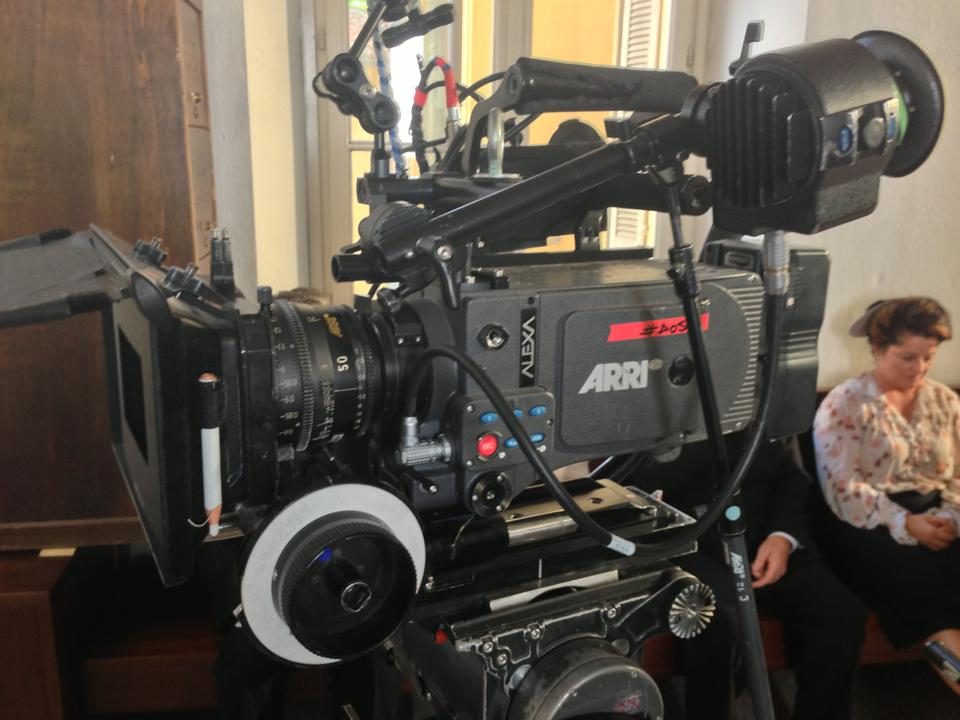
The foundation was the ALEV III, a Super 35 CMOS sensor with 3.4K photosites delivering a 2.8K image in standard 16:9. That was less resolution than the RED One had offered three years earlier, but resolution was not what the Alexa was built to win. ARRI designed the chip around dual-gain architecture: every pixel is read out simultaneously through two paths with different amplification, one tuned for shadows and one for highlights, and the two signals are combined into a single high-dynamic-range image before it reaches any recording format.
The result was roughly fourteen stops of latitude at a native ISO of 800, split evenly above and below middle grey. More important than the number was the shape of the curve. Where earlier digital cameras clipped to flat white, the Alexa compressed its highlights gently, the way a print stock shoulders off; a practical lamp kept its filament. Cinematographers who had spent thirty years reading negative could expose it the same way and recognise the results. Log C preserved that latitude in the file, and ARRI's color science rendered skin with a warmth competitors were still chasing a decade later.
ProRes changed the workflow
The other half of the revolution was almost mundane. The Alexa was the first digital cinema camera to record Apple ProRes in-camera, onto SxS cards, from 422 Proxy up to 4444. The RED One recorded a proprietary raw format that had to be transcoded; the Genesis and F35 needed an external HDCAM SR deck. The Alexa gave you a card you could drop into a MacBook Pro and edit that afternoon. ARRI called it "direct to edit," and episodic television moved to the Alexa faster than any other sector. ARRIRAW was there for those who wanted it, but ProRes made the Alexa a camera a director of photography could trust without a DIT at every setup.
The films that made the case
The early adopters were the establishment. Robert Richardson, an Oscar winner on film for JFK and The Aviator, shot Martin Scorsese's Hugo in 2011 on paired Alexas in Cameron-Pace 3D rigs, his first feature-length digital capture, and said afterward that he was profoundly happy with the camera's range. Newton Thomas Sigel took one onto the night streets of Los Angeles for Drive, mostly in available light. Seamus McGarvey shot The Avengers on it, his first digital feature. And Roger Deakins, after tests on In Time, chose the Alexa for Skyfall, the first Bond film shot digitally and the first production to use the Alexa Studio. Deakins, the most eloquent holdout for film, said publicly that the camera had brought digital to the point where it was simply better, and that endorsement moved the industry more than any spec sheet.
The Academy followed. Slumdog Millionaire was the first digitally shot Best Cinematography winner in 2009, but it was a hybrid of 35mm and Silicon Imaging cameras. Claudio Miranda's Life of Pi, photographed in 3D on Alexas, won in 2013 and was the first Alexa picture to take the prize. Emmanuel Lubezki then won three years running: Gravity, Birdman with its Alexa Plus bodies threaded through one apparent take, and The Revenant, shot largely on the Alexa 65 in natural light. By mid-decade, "shot on Alexa" was assumed for any prestige feature or streaming drama that had not chosen film.
A family, and its limits
ARRI extended the platform methodically. The Plus added lens control; the Studio brought an optical viewfinder and a 4:3 sensor for anamorphic; the M split head from body. The XT line of 2013 built in ARRIRAW and Open Gate. The Alexa 65, announced in September 2014, put a 65mm-sized sensor at the top of the range, rental only. Then in February 2015 came the Alexa Mini: the same sensor in a carbon body of about five pounds, small enough for gimbals, drones and car mounts, and for most of a decade the most rented camera in the world. The SXT refreshed the big body that year.
The weak point was always resolution. A 2.8K sensor was fine in 2010 and a liability once Netflix required its originals to be captured at a minimum of 3840 horizontal photosites. The Mini, at 3424, missed the bar. ARRI's answer was the Alexa LF in February 2018, effectively two ALEV III sensors side by side in a large-format body with a new, shallower LPL mount, and the Mini LF in 2019, which put that sensor in the Mini chassis and became the streaming era's default. In May 2022 the Alexa 35 finally replaced the original sensor with a 4.6K chip claiming seventeen stops. If the Mitchell BNC was the studio camera of the sound era, the Alexa is its digital descendant: never the most advanced machine in a given year, but the one everyone could agree on.
What the used market looks like now
Used Alexas are the heart of the used cinema camera business, and the pricing is unusually legible. An Alexa Classic EV body, often with well over ten thousand sensor hours, trades in the low thousands, the cheapest route to that sensor and that color science. XT and XT Plus bodies with in-camera ARRIRAW and Open Gate sit roughly between the high single digits and low twenties of thousands depending on hours and what comes in the case. The Mini is the sweet spot: at the time of writing, complete packages run from the mid teens to around thirty thousand dollars, the spread driven by hours, licenses and accessories. Mini LF bodies remain considerably higher, and ARRI's Certified Pre-Owned program now lists Alexa 35 bodies from around fifty thousand.
Before you buy a Mini, check three things. First, operating hours, which the camera reports in its menu. Under five hundred is exceptional, under fifteen hundred is normal for an owner-operator body, and serviced rental units at three thousand or more are not a problem, because the platform was built for many times that. Second, licenses. A Mini ships in 16:9 ProRes only; the 4:3 and ARRIRAW keys are separate permanent purchases, and only with both can it record Open Gate ARRIRAW. A body without them is worth thousands less. Third, the mount. Most Minis carry PL, but ARRI offers an LPL mount with a PL adapter that opens the door to Signature Primes and other large-format glass. Confirm the firmware is on the last SUP release, listen to the fan, check the sensor for dust and hot pixels on a grey card, and ask for a service history.
Do all that and a used Mini is the best value in cinema. It shot a large share of the last decade's Emmy and Oscar winners, it takes every PL lens ever made, and its images still hold up next to anything released this year. The resolution argument moved on, and the Mini did not win it. It won the one that mattered.