Journal
Cameras That Changed Cinema
A running history of the motion picture camera, one machine, and one format, at a time. Chapters marked Camera cover a single model; chapters marked Format cover a recording medium, like MiniDV, Betacam, or 65mm, and the cameras built around it. From the studio behemoths of the 1930s to the MiniDV camcorders that launched a thousand careers, the 65mm giants of IMAX, and the digital bodies that rewrote the rules. A new chapter every day through October, then weekly.
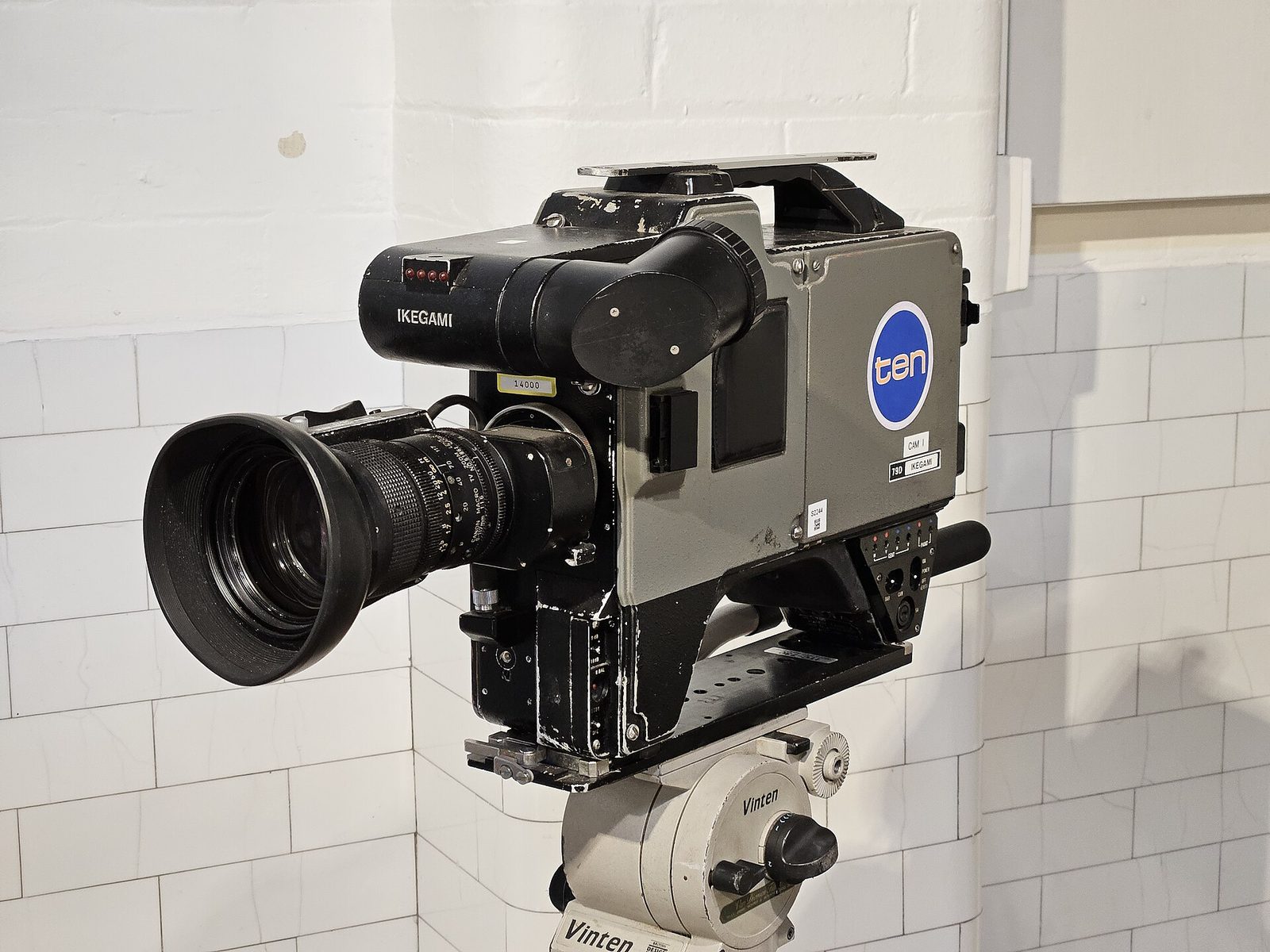 Camera · Ikegami HL-79 · 1978–1990s
The Ikegami HL-79: The Shoulder Camera That Ended News Film
How Ikegami's HL-79 put the one-piece tube camera on the shoulder, drove the ENG revolution that killed 16mm news film, and what survives of it today.
Read →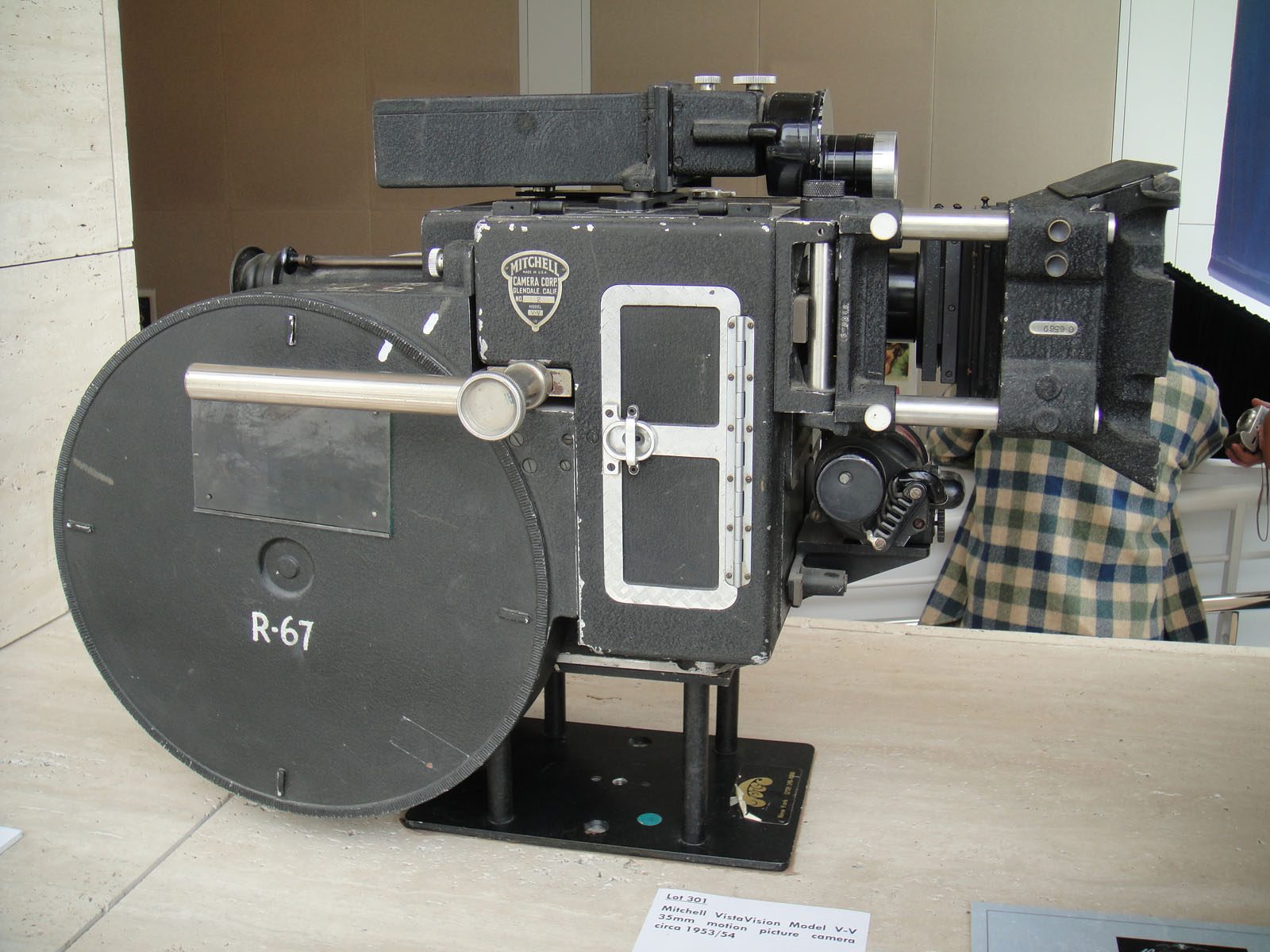 Format · VistaVision · 1954–1961 (revived 2020s)
VistaVision: The Sideways 35mm Format That Hollywood Keeps Reviving
How Paramount's 1954 VistaVision turned 35mm film on its side, shot Vertigo and Star Wars effects, and returned in The Brutalist and One Battle After Another.
Read →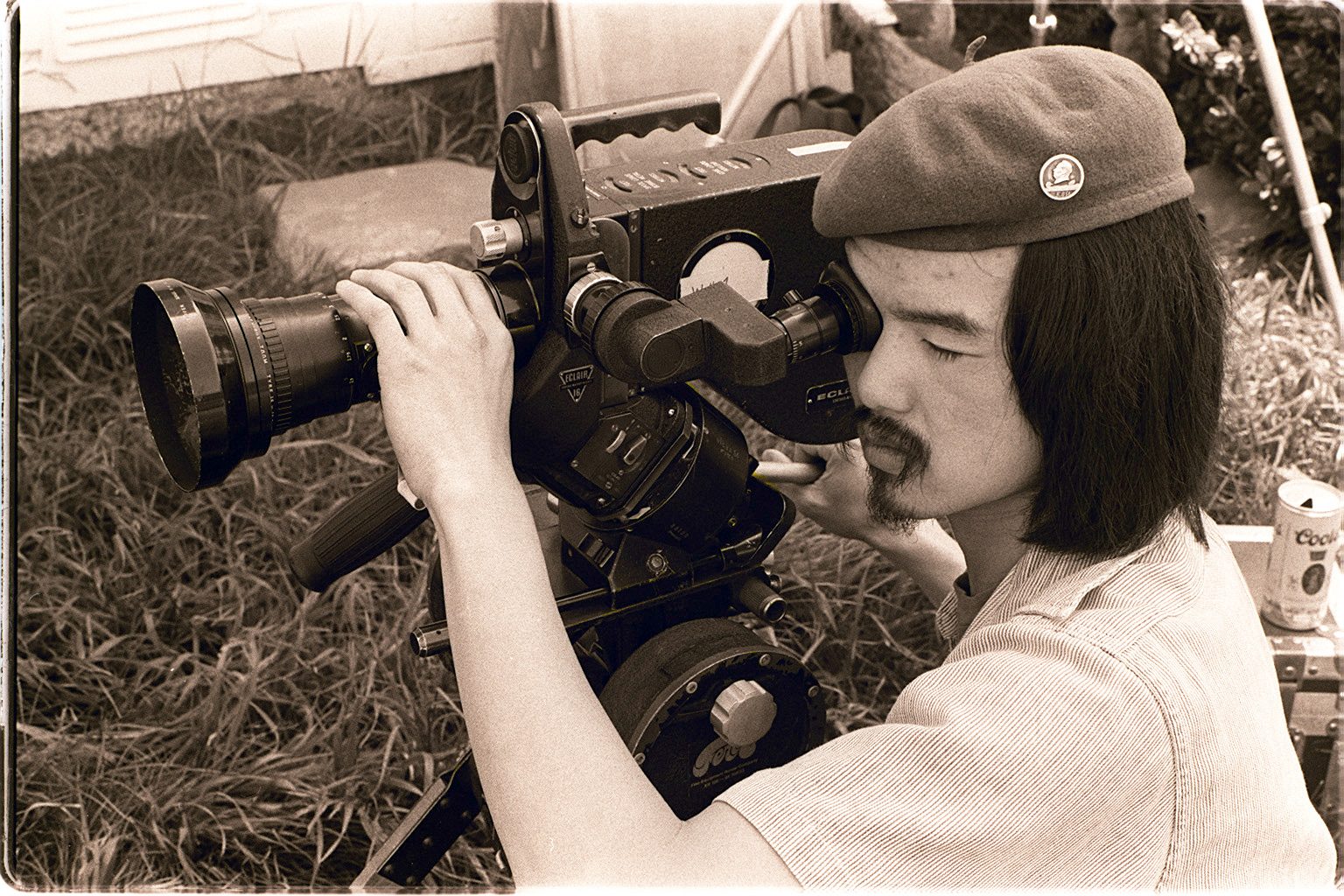 Camera · Éclair NPR · 1960s–1970s
The Éclair NPR: The Quiet 16mm Camera That Went Anywhere
How Éclair's Noiseless Portable Reflex put quiet sync-sound 16mm on the shoulder, shaped cinéma vérité and BBC drama, and led to the ACL and Aaton.
Read →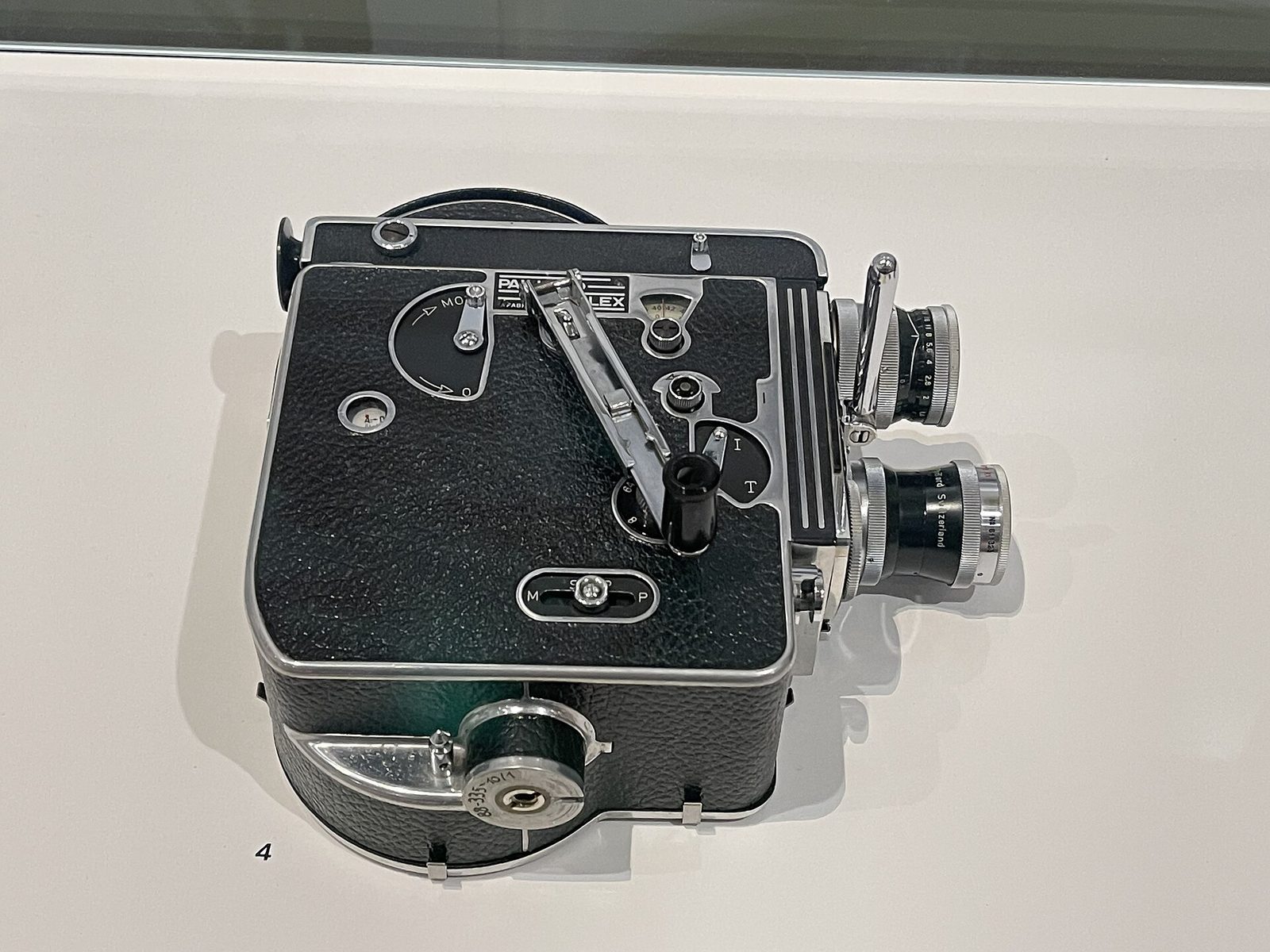 Camera · Bolex H16 · 1935–1970s
The Bolex H16: The Wind-Up 16mm Camera That Launched a Thousand Careers
How the Swiss Bolex H16, a spring-wound 16mm turret camera from 1935, became the tool of the avant-garde and film school, and what one costs and needs today.
Read →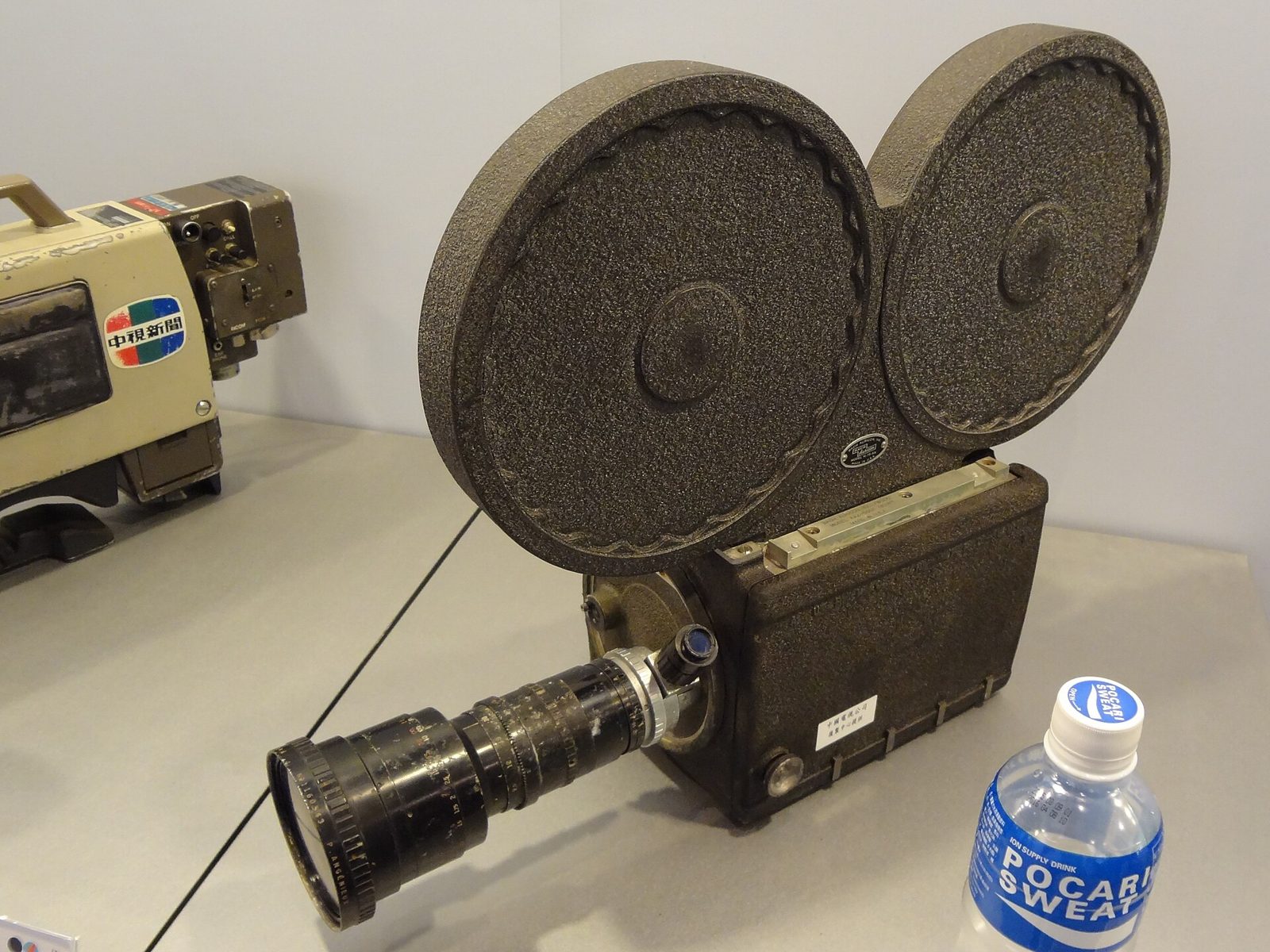 Camera · Auricon Cine-Voice / Pro-600 · 1940s–1970s
The Auricon Cine-Voice and Pro-600: The Camera That Gave News a Voice
How the Auricon single-system 16mm sound camera put talking pictures on local television news, and into Direct Cinema, Warhol's Empire and beyond.
Read →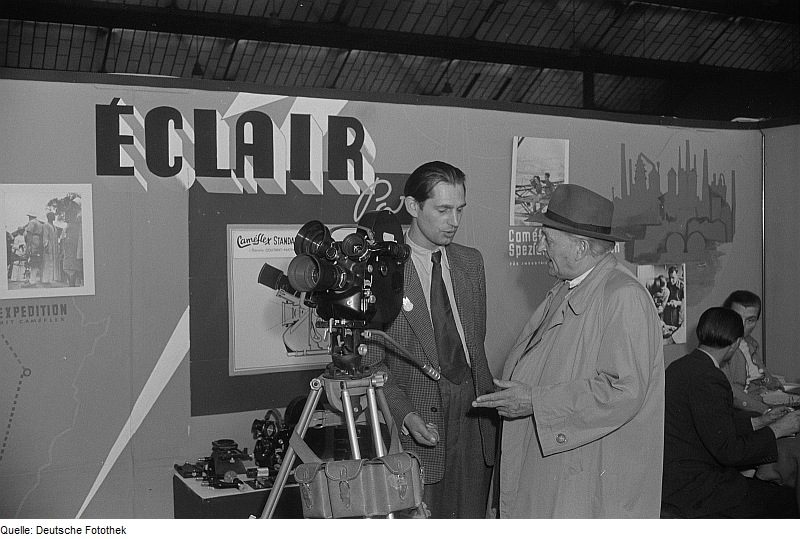 Camera · Éclair Cameflex · 1947–1960s
The Éclair Cameflex: The Handheld 35mm That Freed the French New Wave
How André Coutant's 1947 Éclair Cameflex put a reflex 35mm camera on the shoulder, shot Breathless, and led to the NPR, the ACL and Aaton.
Read →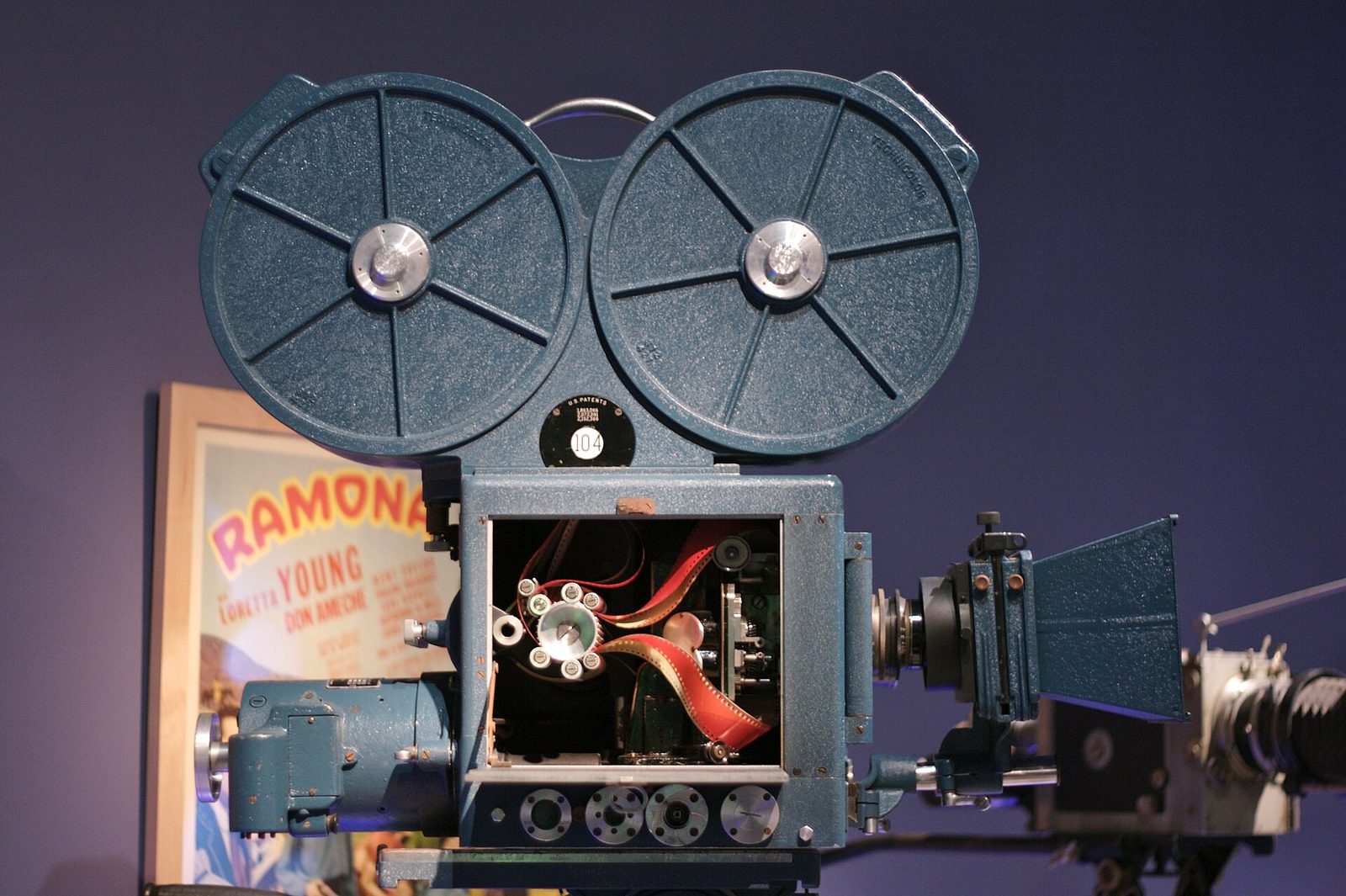 Camera · Technicolor Three-Strip Camera · 1932–1955
The Technicolor Three-Strip Camera: The Machine That Made Color Hollywood
How Technicolor's 1932 three-strip camera split one lens onto three negatives to shoot Oz and Gone with the Wind, and why no studio could ever own one.
Read →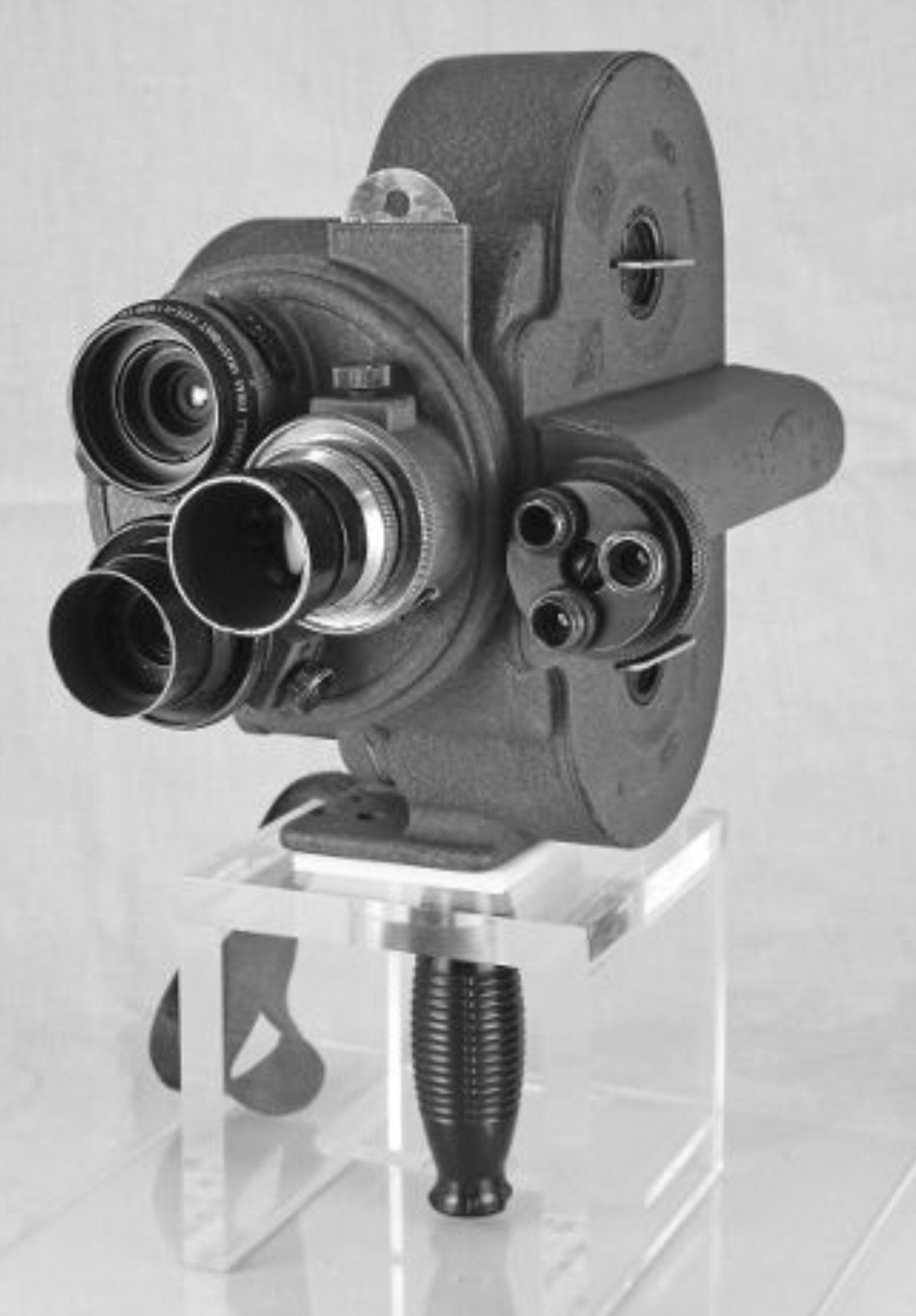 Camera · Bell & Howell Eyemo · 1925–1960s
The Bell & Howell Eyemo: The Camera That Went Where Hollywood Couldn't
How the 1925 Bell & Howell Eyemo, a spring-wound handheld 35mm camera, shot the war and Kubrick's first film, and why it is still Hollywood's crash camera.
Read →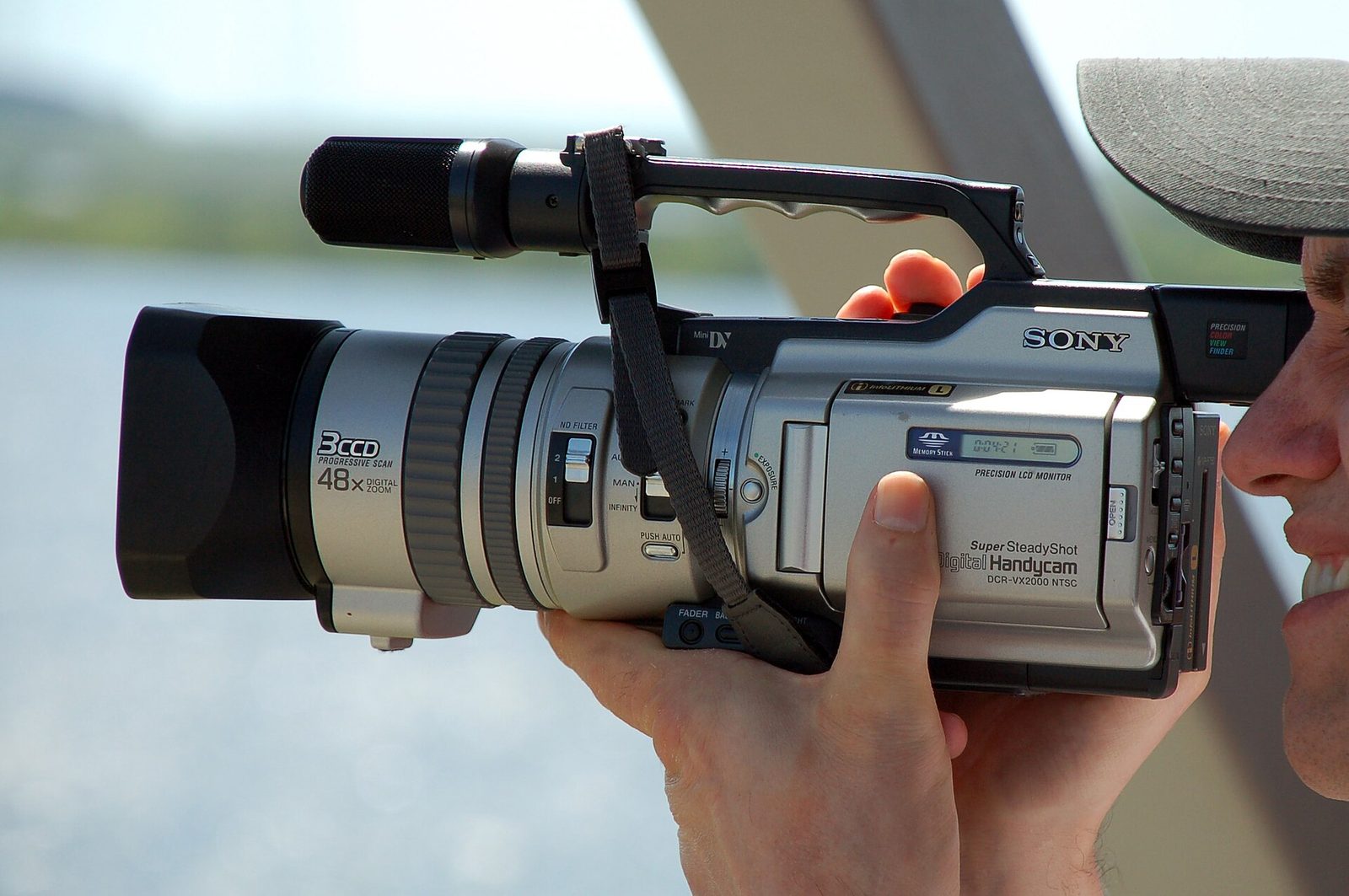 Camera · Sony DCR-VX2000 · 2000–2000s
The Sony VX2000: The MiniDV Workhorse That Democratized Filmmaking
How the Sony DCR-VX2000, the 3-CCD MiniDV camcorder of 2000, powered skate videos, Dogme-era cinema, breakout documentaries and the DV revolution.
Read →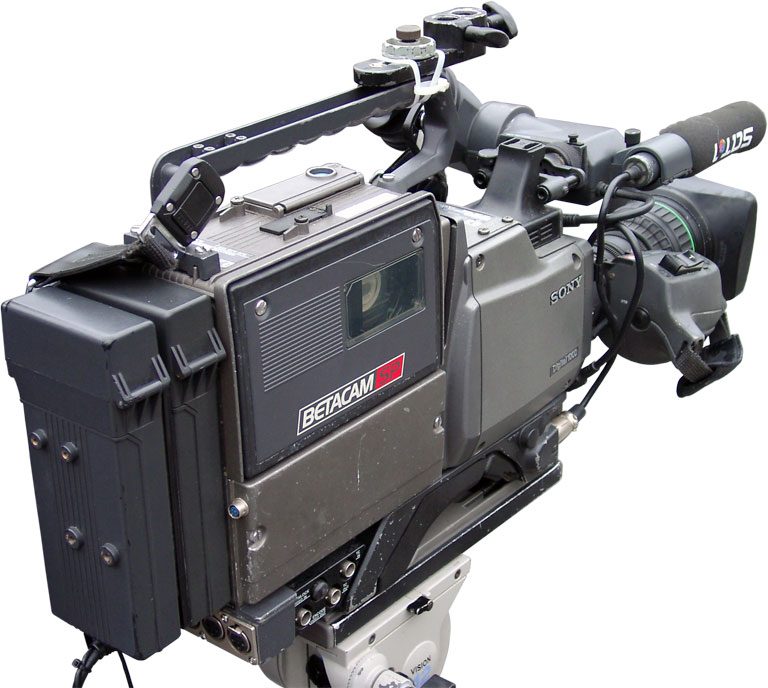 Format · Betacam · 1982–2000s
Betacam: The Tape Format That Cut the Cord on Television News
A history of Betacam, the half-inch component video format that replaced 16mm film and U-matic in news and ruled broadcast for two decades, and what its decks are worth today.
Read →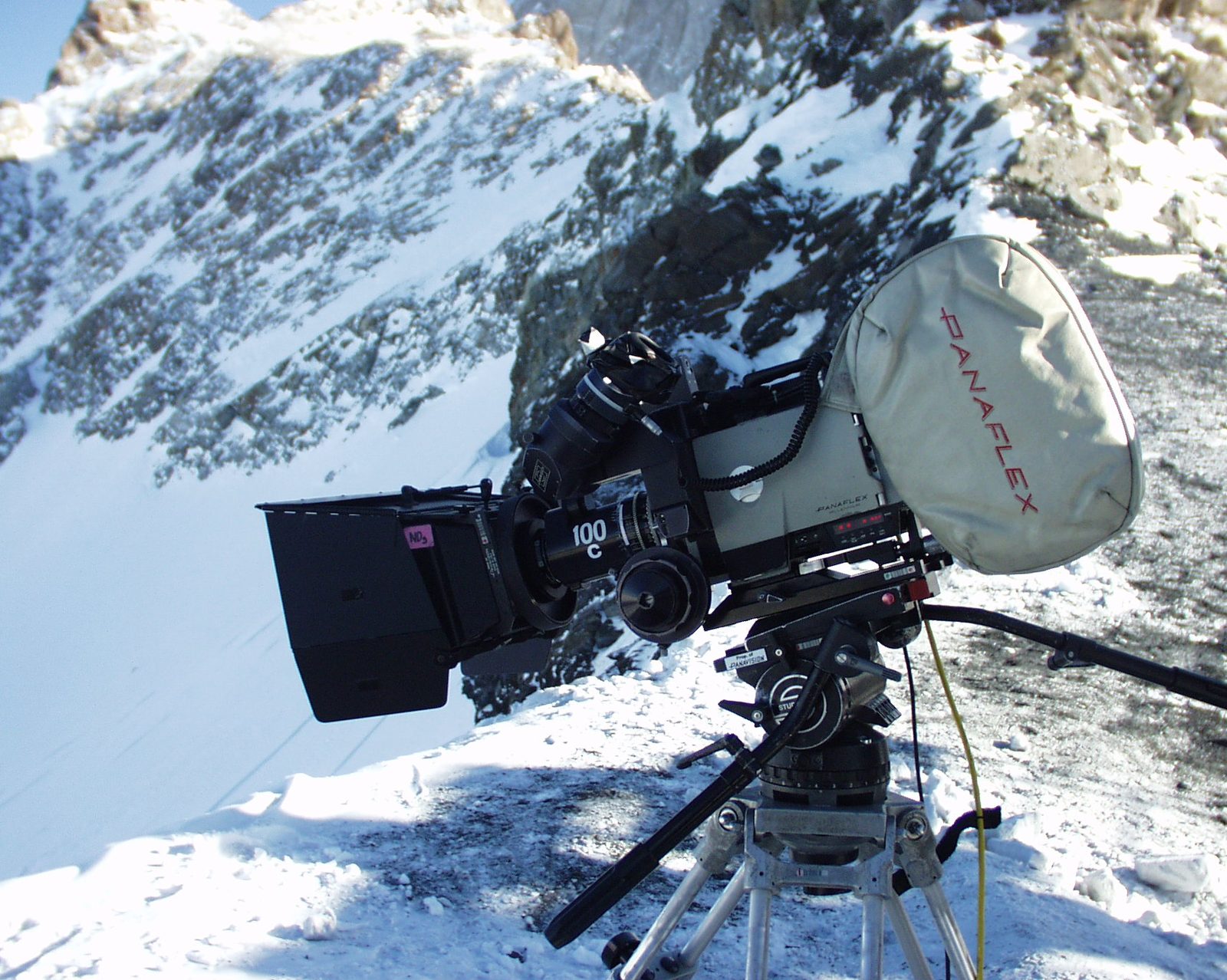 Camera · Panavision Panaflex · 1972–2000s
The Panavision Panaflex: The Quiet Camera Hollywood Could Only Rent
How the 1972 Panaflex put sync-sound 35mm on the shoulder, from The Sugarland Express and Jaws to the Millennium XL2, and why you can never buy one.
Read →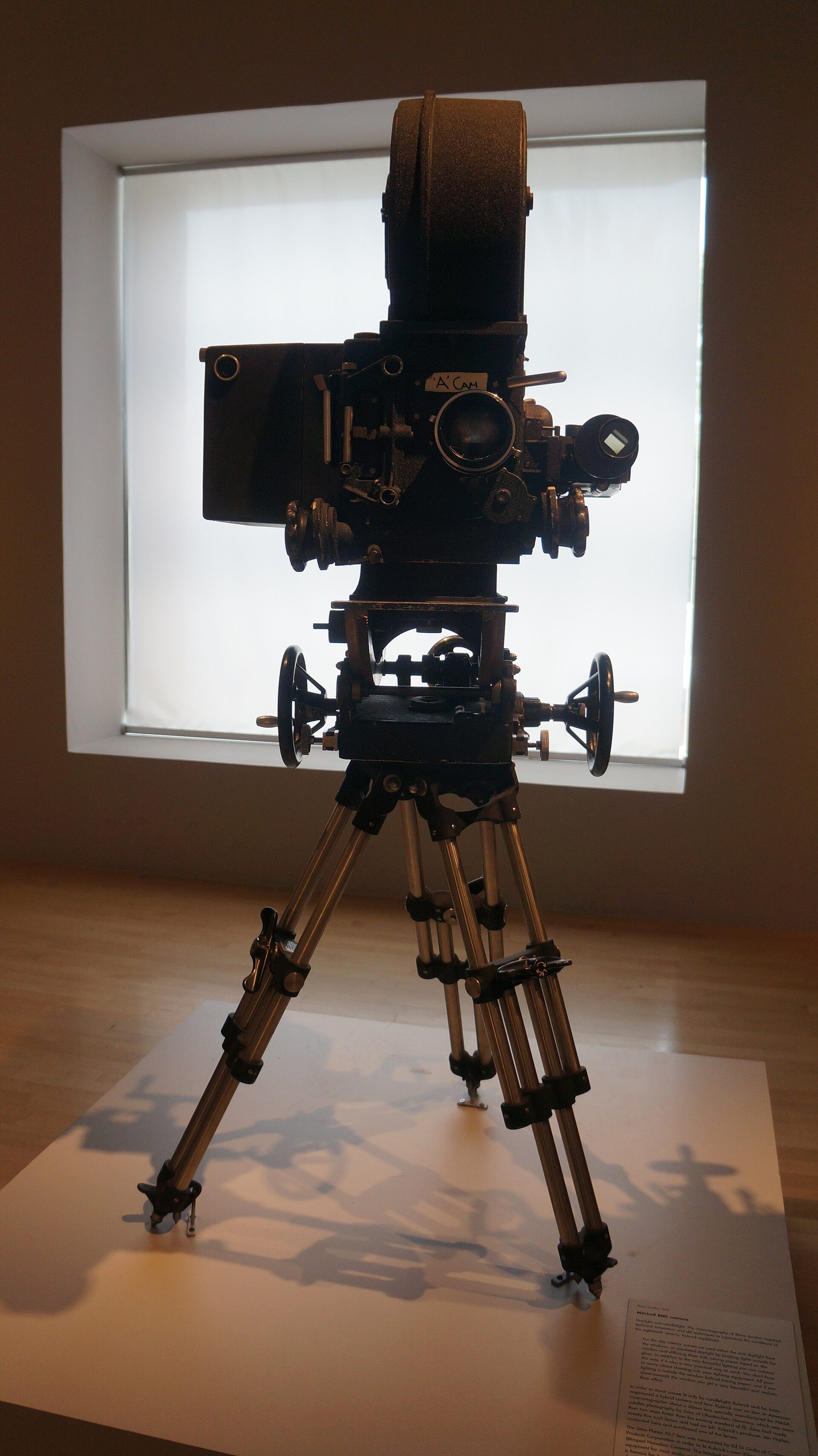 Camera · Mitchell BNC · 1934–1960s
The Mitchell BNC: The Camera That Built Hollywood's Golden Age
A history of the Mitchell BNC, the blimped 35mm studio camera behind Citizen Kane and two decades of Hollywood filmmaking, and why its rock-steady movement still matters.
Read →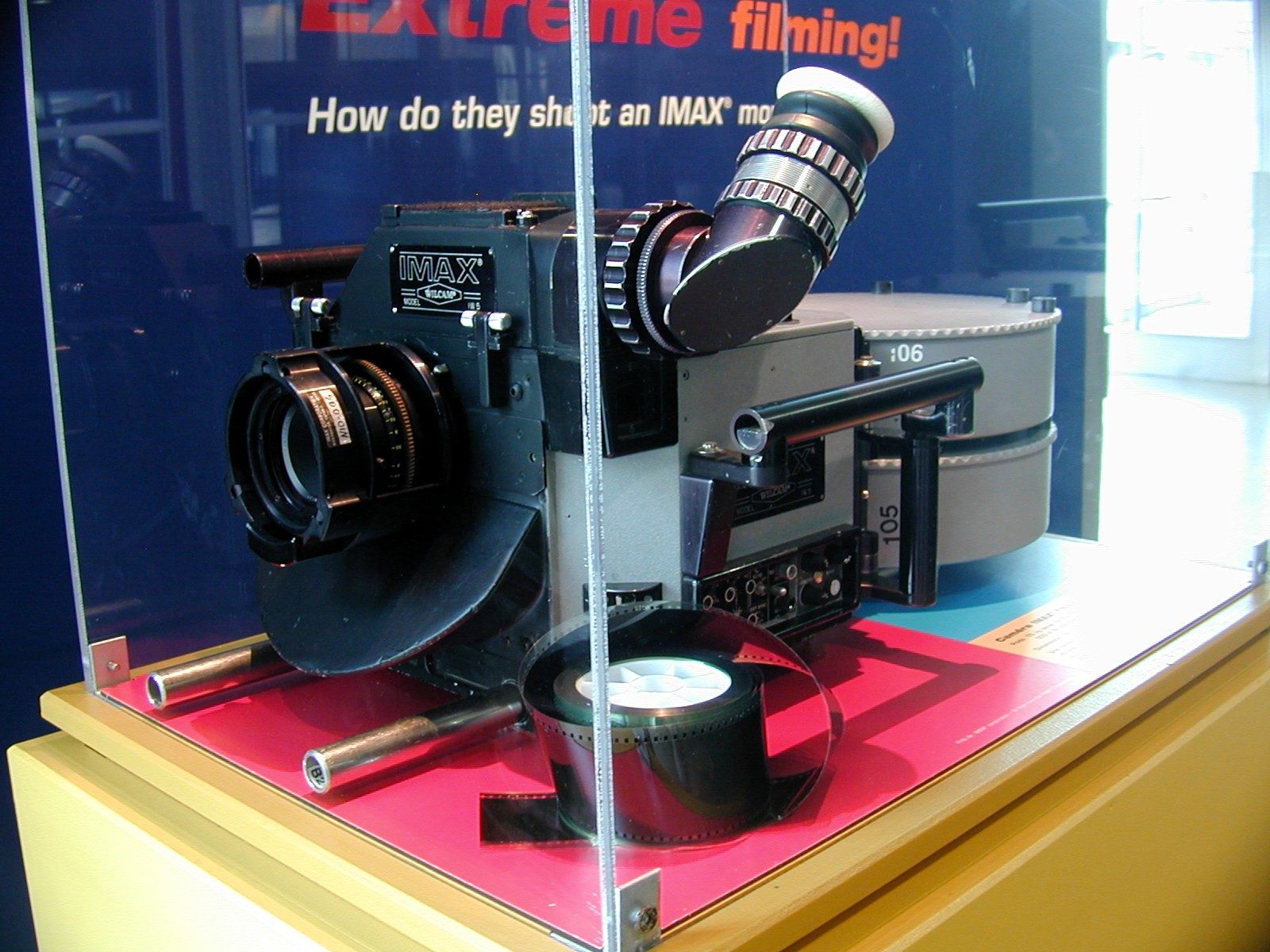 Format · IMAX 15/70 · 1970–present
IMAX 15/70: The Biggest Frame in Cinema, From Expo '70 to Oppenheimer
How the IMAX 15/70 film camera went from museum domes and Space Shuttle missions to Nolan's blockbusters, and why you will never see one for sale.
Read →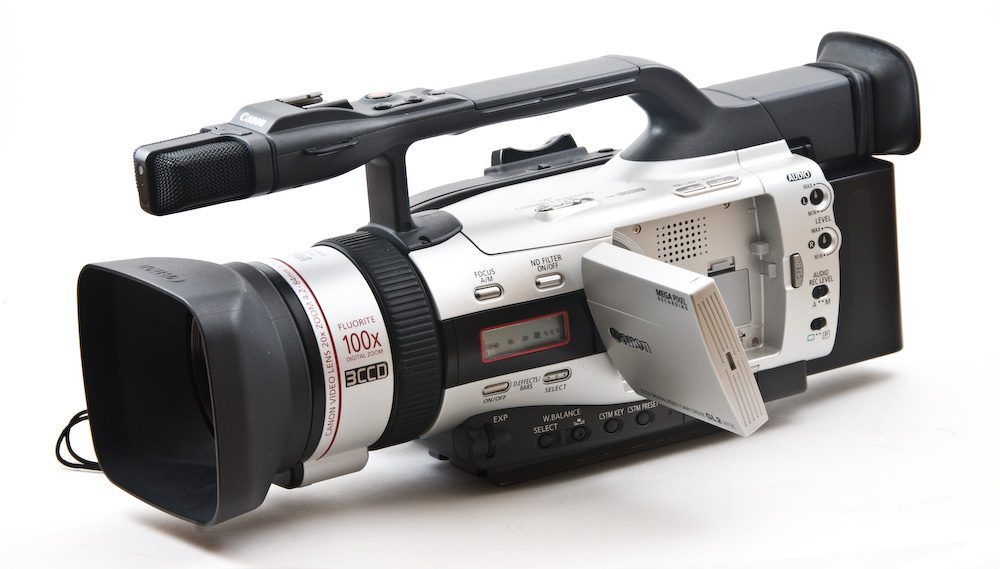 Camera · Canon GL2 · 2002–2000s
The Canon GL2: The Last Great MiniDV Camera and the Film Look It Chased
How the Canon GL2 (XM2), the 3-CCD MiniDV camcorder of 2002, armed film schools, skate filmers and indie docs, and why the DV look is back today.
Read →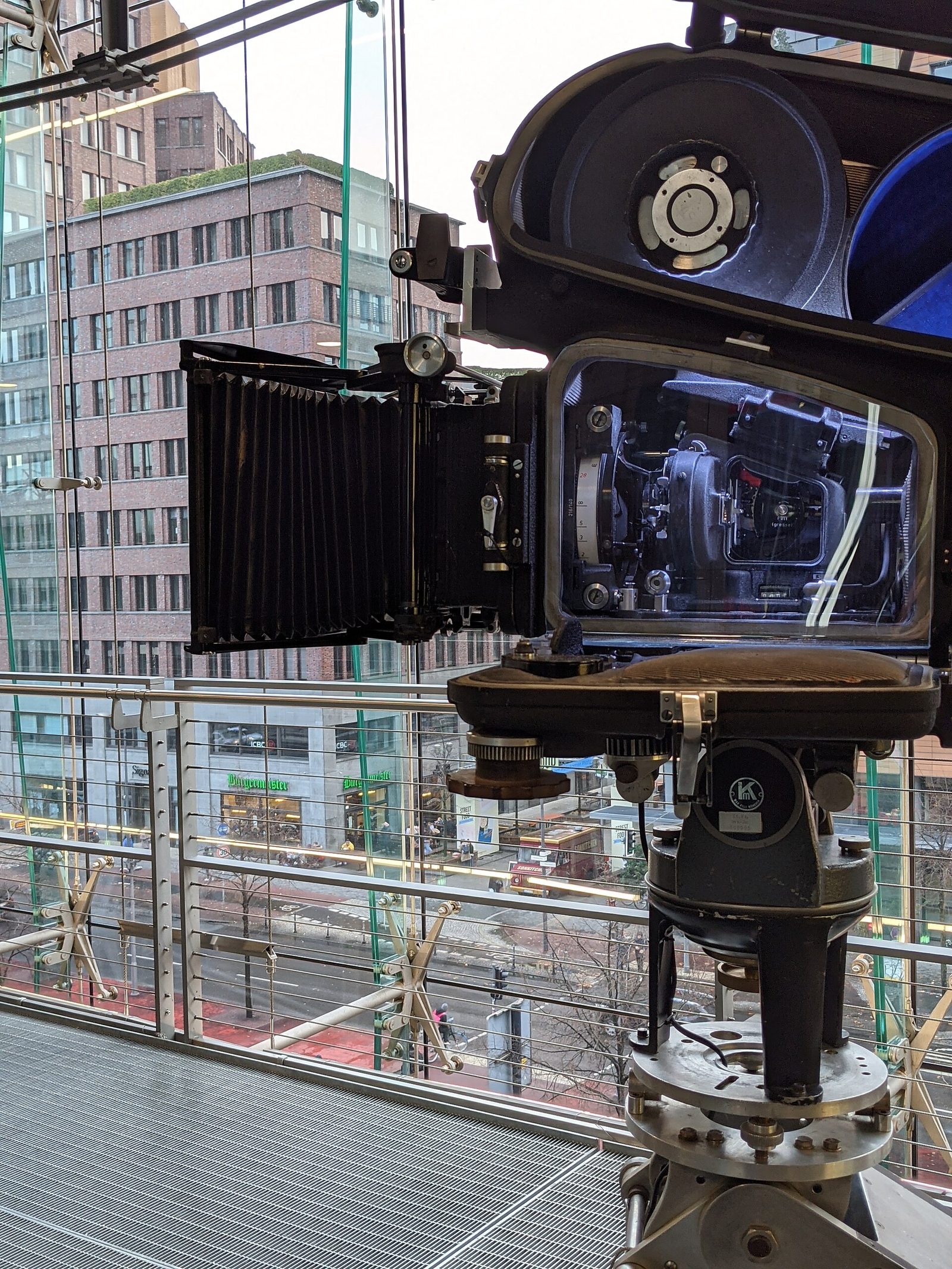 Camera · Arriflex 35 · 1937–1970s
The Arriflex 35: The Mirror That Let 35mm Leave the Studio
How the 1937 Arriflex 35 and its spinning mirror shutter went from WWII newsreels to Dark Passage, Easy Rider, and Kubrick, and why the IIC still runs today.
Read →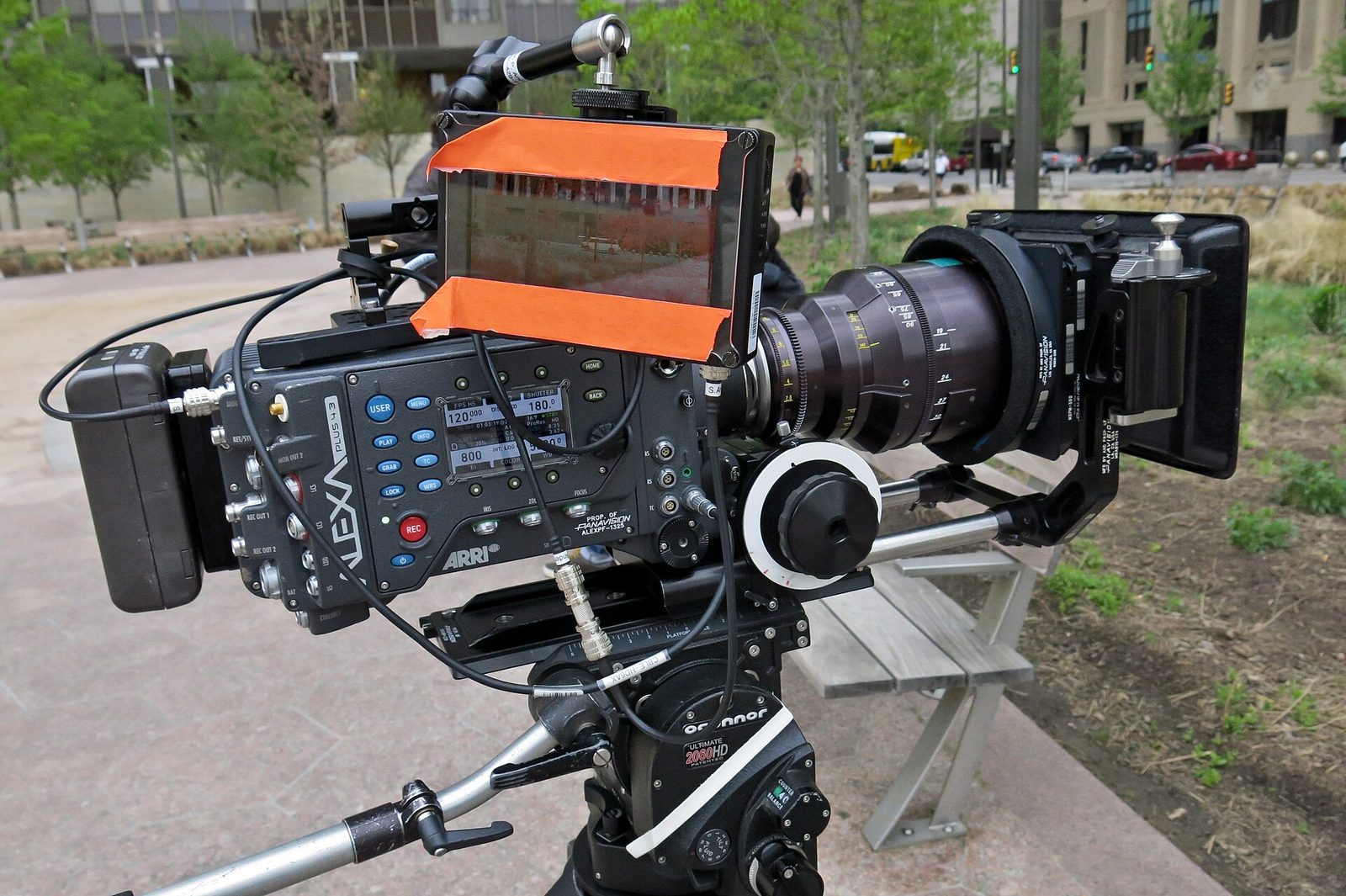 Camera · ARRI Alexa · 2010–present
The ARRI Alexa: The Camera That Ended the Film vs Digital Argument
How the 2010 ARRI Alexa's dual-gain sensor and in-camera ProRes won over Deakins and Lubezki, and why a used Alexa Mini is still the best value in cinema.
Read →