Where it came from
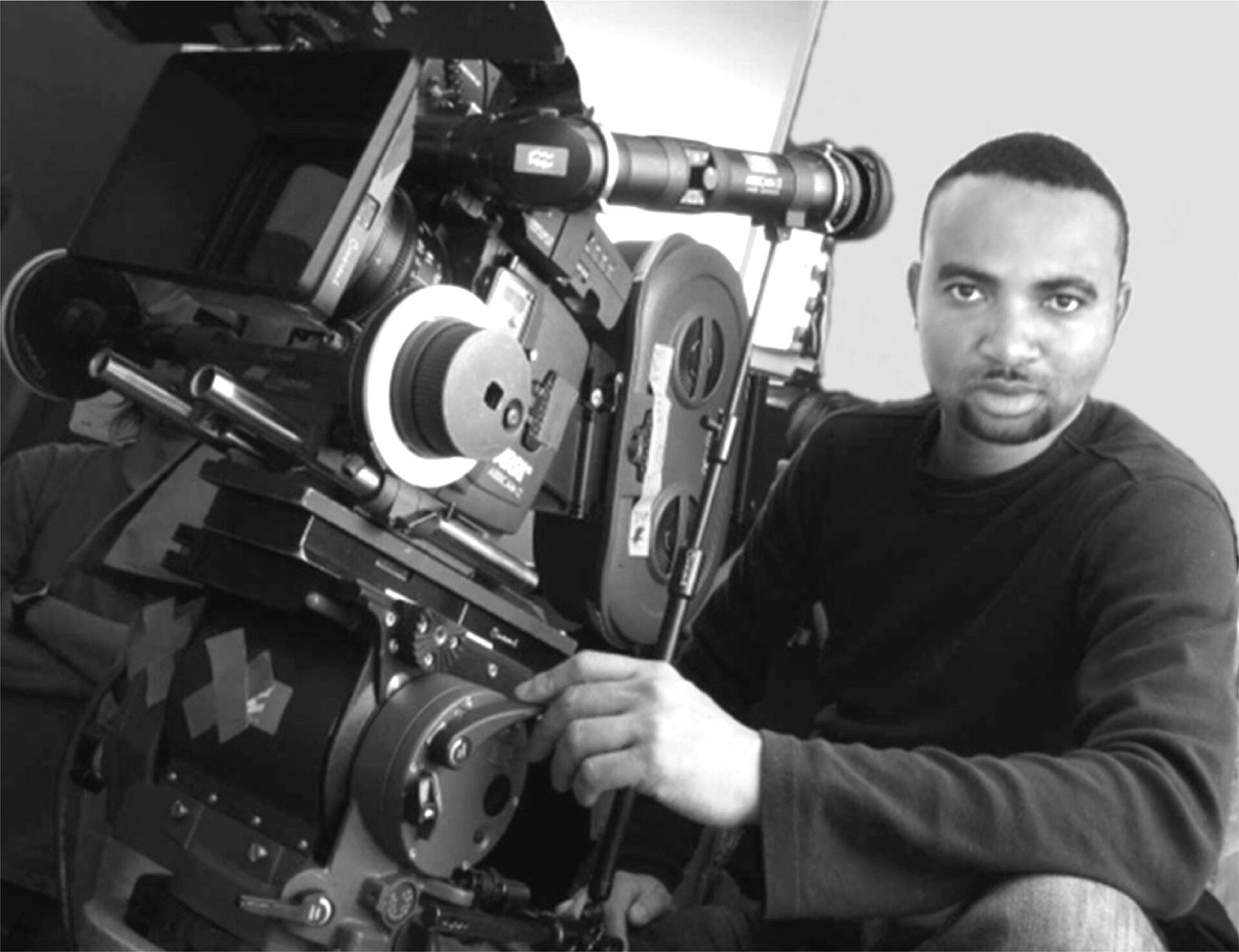
By the late 1990s the 35mm motion picture camera had split into two camps. ARRI's Arriflex line, descended from the 1937 Arriflex 35, was rugged, familiar and loud enough that sound departments kept it under a blanket. Moviecam, the Austrian company founded by Fritz Gabriel Bauer, built cameras that were notably quiet and well balanced, and that cinematographers liked to hold. In 2000 ARRI answered with a camera that took the best of both: the Arricam, introduced in two versions, the Studio (ST) and the Lite (LT), developed with Moviecam's engineering behind it.
It replaced the Arriflex 535 line at the top of ARRI's catalogue, and it arrived at a curious moment. Digital cinema was still a few years from being taken seriously, but the producers and cinematographers who were still shooting film wanted a modern machine: one that ran quietly, took magazines that loaded quickly, and could be built up or stripped down depending on the day. The Arricam was designed for exactly that.
What made it different
The two models share a philosophy but not a body. The Studio is the full-capability camera, with two magazine mounting positions and a top speed of 60 frames per second forward. ARRI quotes its body, with viewfinder, at about 8 kilograms. The Lite is the handheld and Steadicam version: roughly 4 kilograms for the body alone and a little over 5 with its finder, taking magazines only at the rear and running to 40 frames per second. Both can be set for either 4-perf or 3-perf pulldown, a useful trick for productions that wanted to save stock by shooting 3-perf, and both use a PL mount and expose the Super 35 aperture.
Noise was the headline. ARRI rates the Studio at under 20 decibels and the Lite under 24 with 4-perf pulldown, figures that let a boom operator work near the camera without the director noticing. The viewfinders rotate through 360 degrees, can be used with either eye, and carry a beamsplitter that can be swapped for a full video tap, which became a bigger deal as video assist moved from a grainy afterthought to the way directors actually watched a take. Compared with the older 535, the Arricam felt less like a tool you tolerated and more like one you built a day around.
Who used it and what they shot
The Arricam spent the 2000s and 2010s as the default high-end 35mm camera on big-budget features, often alongside Panavision's Millennium and Panaflex bodies, and as a rental house workhorse worldwide. It turned up on films that insisted on celluloid at a time when many peers had gone digital. Paul Cameron, ASC shot much of HBO's Westworld on film with Arricam LT and ST bodies, a prestige series that kept 35mm in daily use well into the streaming era, leaning on Sony Venice only for some very dark night wide shots.
The story did not stop when the digital wave arrived. Reporting on recent awards seasons has described Darius Khondji shooting Marty Supreme primarily on Arricam LT and ST cameras, and Kasper Tuxen shooting Sentimental Value on the Arricam LT. ARRI has also noted the Arricam LT as a supporting camera on BlacKkKlansman. Whatever you think of the argument for film, these are not nostalgia projects: they are current productions that chose a camera first sold in 2000 because it still does the job.
Its rivals and what replaced it
The Arricam's main rival was Panavision's own line, which is rented rather than sold, so the comparison was always partly about business model. ARRI sold cameras outright and through rental partners, which is why the Arricam shows up in so many camera departments' inventories and on the used market today. The Moviecam Compact and SL remained in use, and the Arriflex 435 filled the lighter, lower-cost slot beneath it. Panaflex Platinum and Millennium stayed popular where studios had standing relationships with Panavision.
What eventually replaced the Arricam was not a better film camera but the ARRI Alexa, introduced in 2010. The Alexa kept the ergonomic ideas and the PL mount, and its look and manufacturer's name kept ARRI's reputation intact as the center of gravity moved from emulsion to sensor. In practical terms the Arricam is the last generation of ARRI film camera designed for a world in which film was the default, which is also why it became the standard bearer for the film revival that followed.
Why it still matters
Because the Arricam arrived so late in the film era, it was built to modern standards and, in many cases, has seen less abuse than a camera from the 1970s. Its magazines, motors and electronics are still serviceable by rental houses and independent technicians, and parts and software support have remained available to those who ask. That matters in a market where a Bolex or an Eyemo is as much an object as a tool.
It also matters because the Arricam shaped what came after. Quiet running, rotating viewfinders, video-tap integration and a modular body you can reshape for handheld or studio work are all things the Alexa line and its accessories inherited in spirit, and many digital cinema cameras are still rigged to look and feel like an Arricam LT on the shoulder.
Buying one today
Used Arricams are not casual purchases. They are professional cameras priced accordingly, with figures varying widely by model, hours and accessories, and most change hands between rental houses and working owner-operators rather than through general classifieds. If you are looking at one, ask for a recent service record from an authorized technician and check the total shutter and motor hours. Inspect the pulldown and registration pin, the mirror shutter for scratches, and the electronics for fault history. Confirm the model and what it came with, since magazines, viewfinders, cables and a lens-mount shim kit can add up quickly. Check, too, which pulldown (3-perf or 4-perf) the camera is configured for.
If your project does not need 35mm, the Lite is the camera to ask about first, since it is easier to carry, easier to place and suited to a wider range of work. The Studio is the camera for stages and quiet drama. Either way, you are buying the camera that carried celluloid into its last decades as a professional format.