The Camera That Turned Up Everywhere
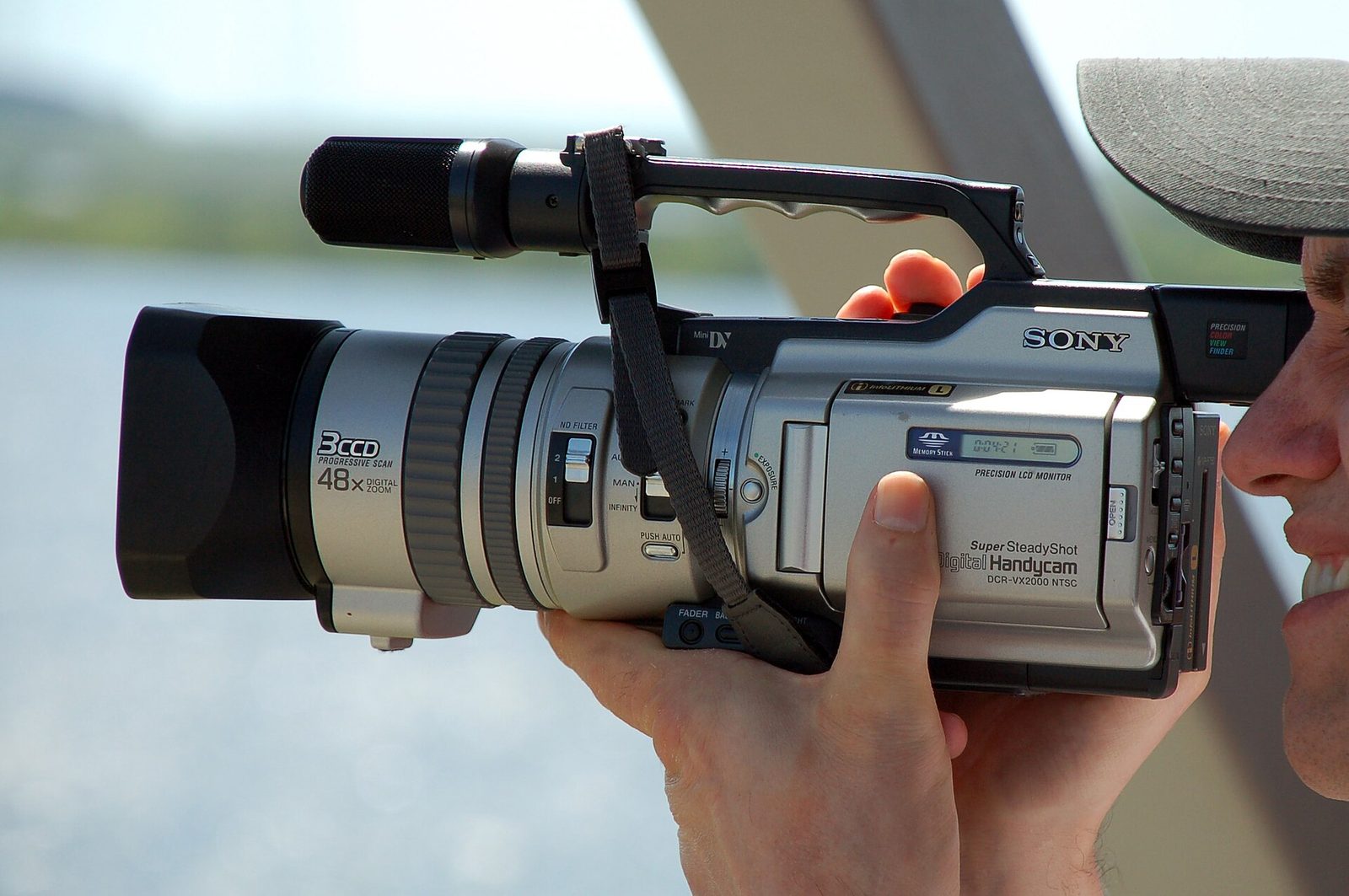
Pick almost any low-budget moving image from the first half of the 2000s and there is a fair chance a Sony DCR-VX2000 was behind it. A skate part shot through a fisheye in a parking garage. A first documentary that got into a festival and then, improbably, into theaters. The VX2000 was neither the first camcorder to matter to filmmakers nor the most advanced of its decade, but for a few years it was the one that was actually there, on the shoulder, at the moment something happened.
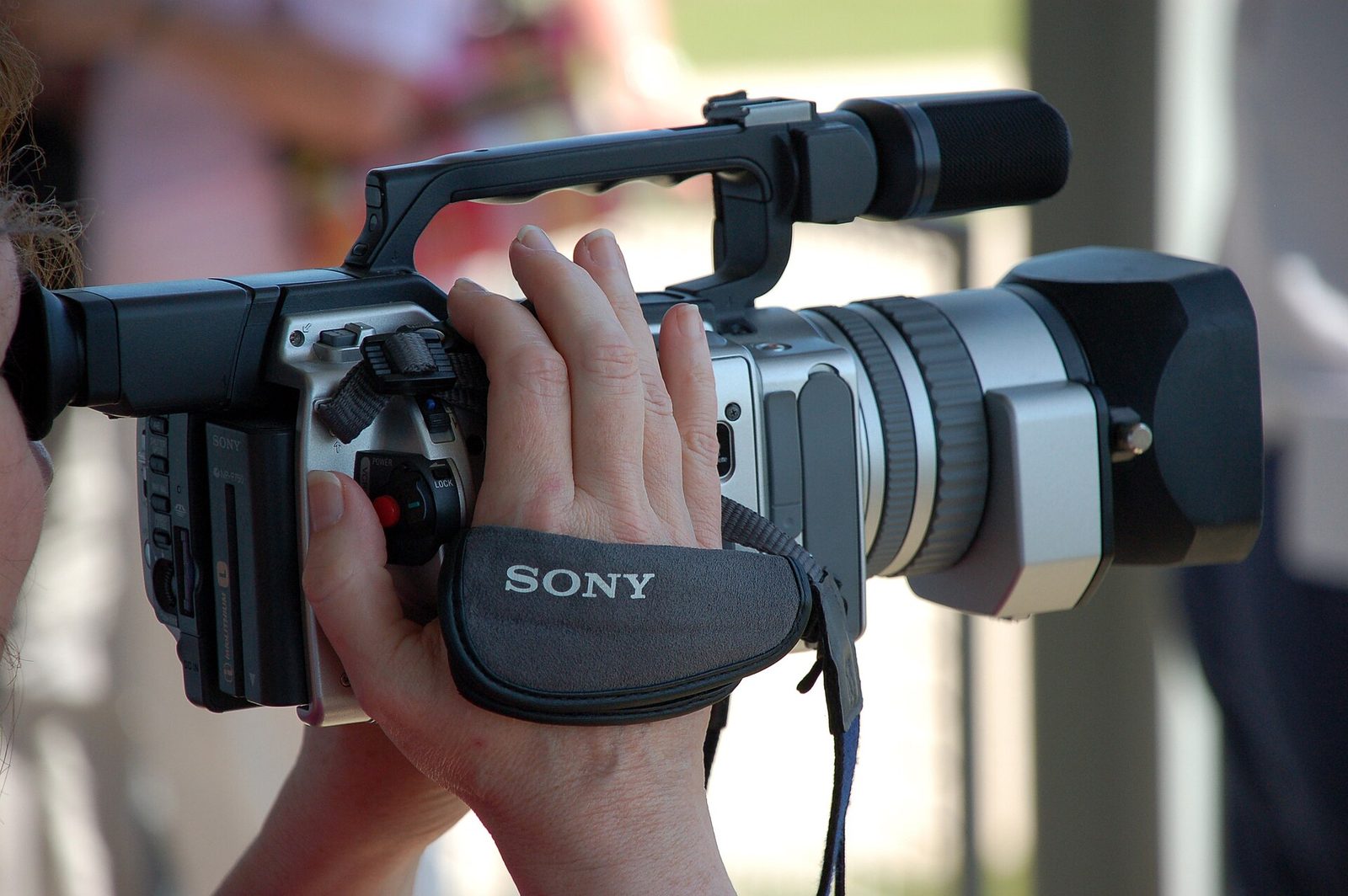
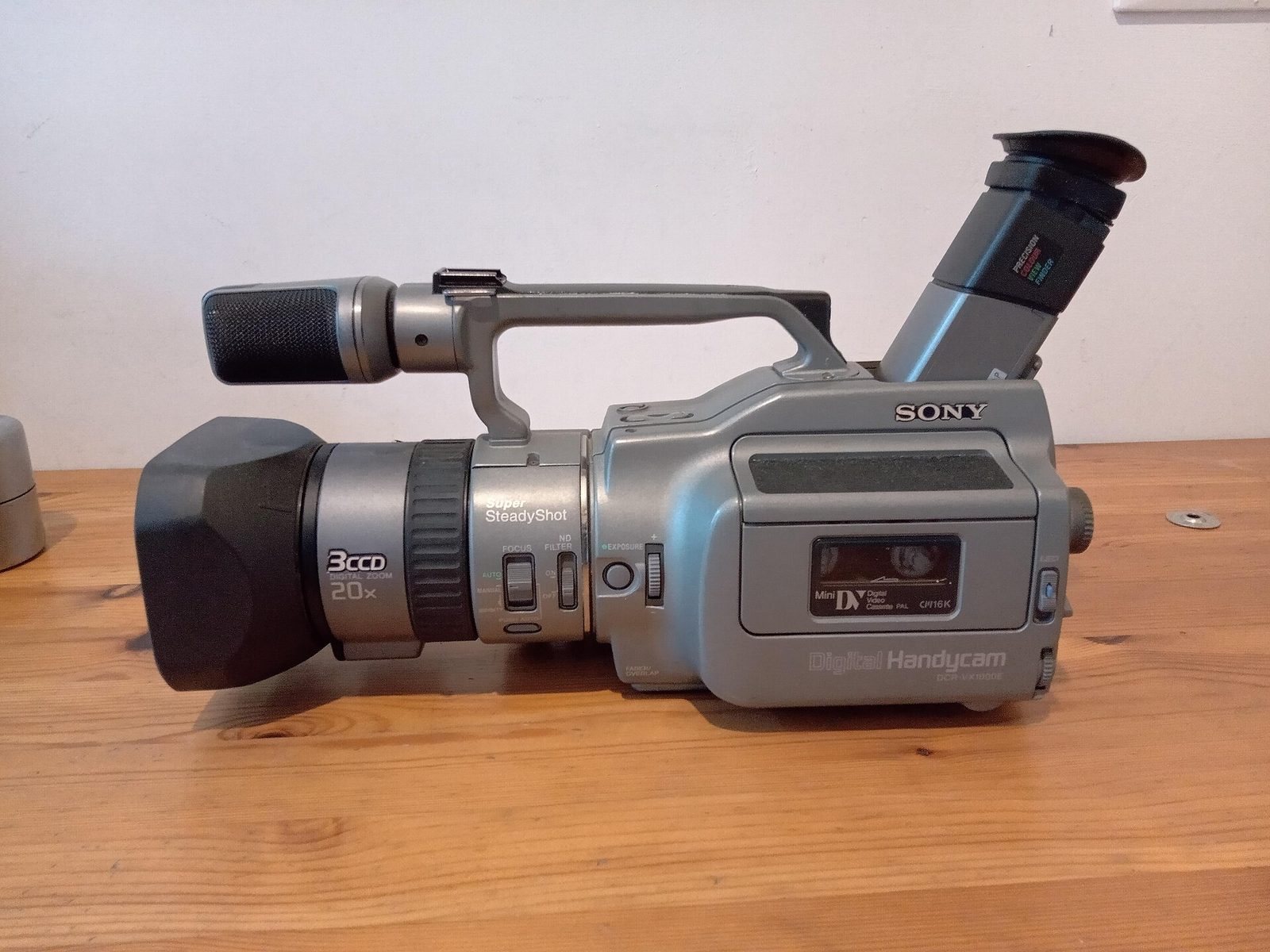
Sony introduced the VX2000 in 2000 as the successor to the 1995 DCR-VX1000, the camcorder that had launched the MiniDV format. It carried three 1/3-inch CCDs, a 12x optical zoom, Super SteadyShot stabilization and a design that felt like a shrunken broadcast camera rather than a home movie toy. Its professional sibling, the DSR-PD150, was the same body with XLR audio inputs and the option to record in Sony's higher-grade DVCAM format. At around $3,000, it sat where serious amateurs, working videographers and broke filmmakers overlapped.
DV, FireWire and the Desk in the Bedroom
The VX2000 arrived at exactly the right moment in the tool chain. The DV codec recorded a clean, intraframe 25-megabit signal on a cassette the size of a matchbox, and because it was digital, it could be copied to a computer over a single FireWire cable without generation loss. In 1999 Apple had put a FireWire port on the iMac DV, bundled iMovie with it and launched Final Cut Pro, a professional editor that cost a fraction of an Avid suite. Suddenly the whole pipeline, from acquisition to finished cut, fit on a desk.
This combination, rather than any single spec, is why the DV era felt like a revolution. A previous generation of independent filmmakers had to rent cameras, buy 16mm stock, pay for processing and telecine, and then find an edit suite. The VX2000 generation bought a camera, a box of tapes and a computer, and kept everything. The economics of who got to make films shifted permanently.
Skate Videos and the Dogme Inheritance
The VX2000 inherited two very different cultures from its predecessor. The first was skateboarding. The VX1000 had become the standard skate camera by the late 1990s, particularly once Century Optics released its MK1 fisheye in 1998, and it shot the defining videos of the early 2000s, including Flip's Sorry, éS's Menikmati and Alien Workshop's Photosynthesis. The VX look, with its bulging fisheye lines, crushed blacks and slightly hard edges, became the look of skateboarding itself. The VX2000 and later VX2100 slotted into that world as the more available option, though many purists held on to the VX1000, in part for its distinctive onboard microphone sound.
The second culture was art cinema. Lars von Trier had shot The Idiots in 1998 on a VX1000, operating it himself, while Thomas Vinterberg's The Celebration, the first official Dogme 95 film, was photographed by Anthony Dod Mantle on a tiny Sony PC7 handycam. Dogme's vow of chastity, with its insistence on handheld cameras, available light and location sound, was almost a description of what a MiniDV camcorder did naturally. For Dancer in the Dark in 2000, von Trier scaled that approach up with Sony PD100 and PD150 cameras, deploying around a hundred of them at once for the musical numbers. The consumer camera was now a legitimate authorial instrument, and the VX2000 was the most capable one most people could afford.
Documentaries, Features and the Festival Circuit
The PD150 became the definitive documentary camera of the early 2000s, and the VX2000 shared its imaging chain. Morgan Spurlock's Super Size Me, shot by Scott Ambrozy on the PD150, became one of the highest-grossing documentaries of its time. Marshall Curry's Street Fight and Heidi Ewing and Rachel Grady's The Boys of Baraka came from the same camera. Chris Kentis and Laura Lau shot the shark thriller Open Water on a PD150 and sold it to Lionsgate out of Sundance. Michael Winterbottom's 24 Hour Party People used it, and David Lynch shot Inland Empire on it.
What united these productions was not that DV looked like film. It did not. It was that the camera was small, cheap, quiet and always ready, and that its limitations pushed people toward subjects and intimacies a 35mm crew could not reach. The VX2000's low-light performance, notably better than the VX1000's, meant a filmmaker could work in a bar or a night street with no lighting package at all. That freedom shaped a whole strain of 2000s cinema, from vérité documentary to the talky micro-budget features later lumped together as mumblecore.
4:3, 60i and the Ache for 24p
The VX2000 had a ceiling, and everyone who used it knew where it was. It recorded 720 by 480 pixels, interlaced, in a 4:3 frame; its 16:9 mode was an electronic crop, not a true widescreen sensor. The image had the glassy, hyper-real motion of television, and filmmakers went to extraordinary lengths to fake film cadence with software conversions, 35mm lens adapters and heavy grading. The yearning for 24 progressive frames became the defining anxiety of the format.
Competition sharpened that anxiety. Canon's XL1, introduced in late 1997, offered interchangeable lenses, and Anthony Dod Mantle used XL1s fitted with broadcast primes to shoot Danny Boyle's 28 Days Later in 2002. Canon's smaller GL2 arrived the same year. Then, in October 2002, Panasonic released the AG-DVX100, the first affordable camcorder to record genuine 24p to MiniDV. For narrative filmmakers it quickly became the camera to want, and the VX2000 was recast as the documentary, event and action camera. Sony answered in 2003 with the VX2100 and PD170, which improved low-light sensitivity but kept the same lens and CCD block, and never added 24p.
Superseded, Then Rediscovered
The end came in stages. JVC shipped the first HDV camcorder in 2003, and Sony's HDR-FX1 and HVR-Z1 brought 1080i high definition to the same tape format in late 2004. Tapeless recording followed, and then in 2008 the Canon EOS 5D Mark II put full-frame 1080p video into a stills body, and the shallow-focus DSLR look swept the independent world almost overnight. Within a couple of years the VX2000 looked like a relic, and thousands ended up in closets and pawn shops.
That is where the cult began. Skateboarding never gave up the VX look, and as digital video became uniformly sharp and clean, a generation of filmers went back to interlaced standard definition on purpose, prizing its texture, its fisheye distortion and its sense of being present rather than polished. Lo-fi music videos borrowed the same aesthetic, and the ecosystem of fisheye adapters and repair shops that grew up around the VX1000 kept the whole family in service.
On today's used market a clean, working VX2000 typically sells for roughly $400 to $550, with the VX1000 commanding more from skate purists and the VX2100 sometimes fetching a premium for its low-light gains. The things to check are the things that kill any tape camera. Ask for the drum hours if the seller can read them out, and run a known-good tape to look for dropouts, mosaic blocking or audio breakup that point to worn or dirty heads. Test the transport for grinding and eject failures, inspect the LCD hinge and zoom rocker, and confirm the FireWire port still passes video, because without it you have no clean way to capture. A skate filmer who has babied one is usually a better source than a general electronics reseller.
The VX2000 stood at the moment when the camera, the codec and the computer finally lined up so that anyone with a few thousand dollars and something to say could make a film and finish it. Cinema is still living with the consequences.